Development for logistics and delivery
Shipment status the customer checks themselves, and delivery pricing that does not eat the margin
What we build
- Delivery price calculation
- Order tracking
- Customer account
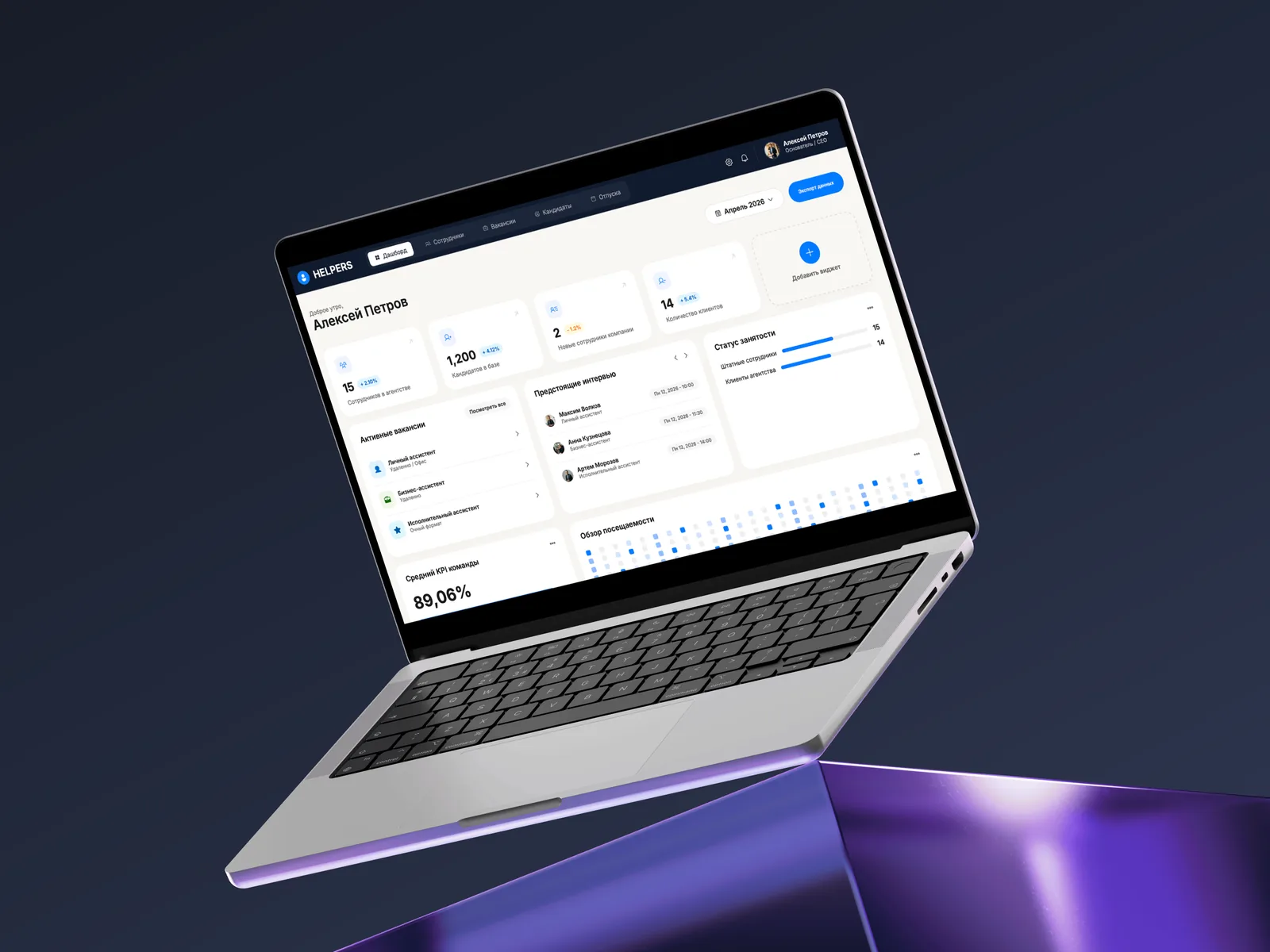
- Dispatcher panel
- Route sheets
- Carrier integration
What usually hurts
“Customers keep calling to ask where the shipment is”
Status is shared by link: stages, date and owner. A call is only needed when something actually went wrong
“We price delivery in a spreadsheet and get it wrong”
Pricing lives in code under your rules: zones, weight, dimensions, surcharges. One formula instead of ten versions of a sheet
“Drivers hand in route sheets on paper”
It moves to the phone: stops, statuses and proof of delivery reach the system straight from the address
“Every carrier has its own format”
We keep one internal format and attach adapters per carrier: adding a new one does not mean rewriting the system
What we account for
Order status is a chain of events, not a single field: overwriting loses the history and leaves nothing to settle disputes with
Drivers lose connectivity: the app must queue actions and send them once the network is back
Time zones and deadlines are computed in UTC and shown locally, otherwise the warehouse and the customer mean different days
Dimensions and volumetric weight are designed in from the start, adding them later means recalculating every tariff